

PHYTONUTRIENTS: Paint Your Plate with the Colors of the Rainbow
Phytonutrients: Paint Your Plate with the Colors of the Rainbow
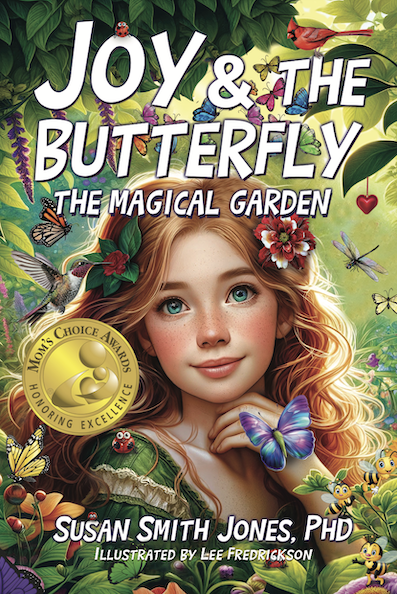
 In my novelette, JOY & THE BUTTERFLY: The Magical Garden, I write about the healing benefits of eating lots of colorful produce, one of the many positive value themes in this book. It for kids of all ages and also young-at-heart adults.
To read my article on FLAXSEEDS and how to make a delicious, nutritious Flaxseed & Sweet Potato Smoothie, please click HERE.
⭐️ ⭐️ ⭐️
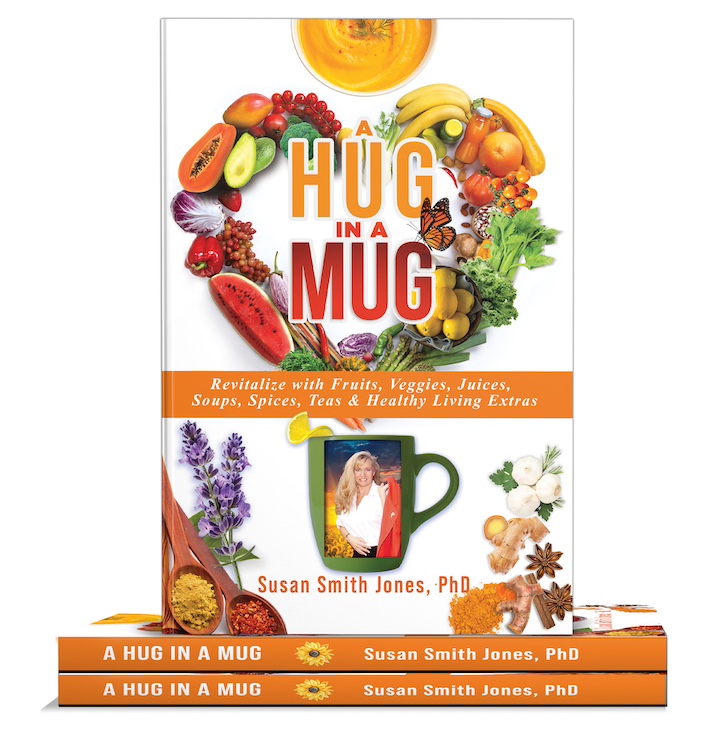
Did you know that adding color to your meals will help you live a longer, healthier life? As I write about in detail in my book A HUG IN A MUG: Revitalize with SuperFoods & Healthy Living Extras, colorful fruits and vegetables can paint a beautiful picture of health because they contain phytonutrients, compounds that give plants their rich colors as well as their distinctive tastes and aromas. Phytonutrients also strengthen a plant's immune system. They protect the plant from threats in their natural environment such as disease and excessive sun.
When humans eat plant foods, phytonutrients protect us from chronic diseases. Phytonutrients have potent anti-cancer and anti-heart disease effects. And epidemiological research suggests that food patterns that include lots of fresh fruits and vegetables are associated with a reduced risk of many chronic diseases, including cardiovascular disease, and may be protective against certain types of cancers.
 The American Cancer Society recommends 2-1/2 cups per day of fruits and vegetables. The most recent US Dietary Guidelines recommend consuming even more: 2-1/2 cups of vegetables and 2 cups of fruit, based on a 2,000-calorie diet.
Getting Started
To get started, try to include as many plant-based colors in your meals and snacks as possible. Each color provides various health benefits and no one color is superior to another, which is why a balance of all colors is most important. Getting the most phytonutrients also means eating the colorful skins, the richest sources of the phytonutrients, along with the paler flesh. Try to avoid peeling foods like apples, peaches and eggplant, lest you lose their most concentrated source of beneficial chemicals. Of course, choosing organic produce is always a wise choice.
Phytonutrients in Every Color
Following is a rundown of fruits and vegetables sorted by color, along with the phytonutrients they contain, and which foods you'll find them in. You will find more detail on the best superfoods in my book A HUG IN A MUG.
Red: Rich in the carotenoid lycopene, a potent scavenger of gene-damaging free radicals that seems to protect against prostate cancer as well as heart and lung disease. Found in: strawberries, cranberries, raspberries, tomatoes, cherries, apples, beets, watermelon, red grapes, red peppers, red onions
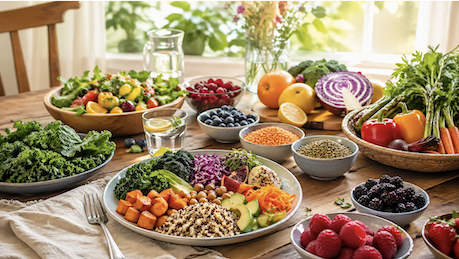 Orange and yellow: Provide beta cryptothanxin, which supports intracellular communication and may help prevent heart disease. Found in: carrots, sweet potatoes, yellow peppers, oranges, bananas, pineapple, tangerines, mango, pumpkin, apricots, winter squash (butternut, acorn), peaches, cantaloupe, corn
Green: These foods are rich in cancer-blocking chemicals like sulforaphane, isothiocyanates and indoles, which inhibit the action of carcinogens (cancer-causing compounds). Found in: spinach, avocados, asparagus, artichokes, broccoli, alfalfa sprouts, kale, cabbage, Brussels sprouts, kiwi fruit, collard greens, green tea, green herbs (mint, rosemary, sage, thyme and basil)
Blue and purple: Have powerful antioxidants called anthocyanins believed to delay cellular aging and help the heart by blocking the formation of blood clots. Found in: blueberries, blackberries, elderberries, Concord grapes, raisins, eggplant, plums, figs, prunes, lavender, purple cabbage
White and brown: The onion family contains allicin, which has anti-tumor properties. Other foods in this group contain antioxidant flavonoids like quercetin and kaempferol. Found in: onions, cauliflower, garlic, leeks, parsnips, daikon radish, mushrooms
Reach for the Rainbow
Reaching a total of 4-1/2 cups of colorful fruits and vegetable a day is the goal for a powerful plate. On a personal note: I choose to eat about two cups of fresh fruit daily and 7-8 cups of fresh veggies. Here are some ways to make it happen:
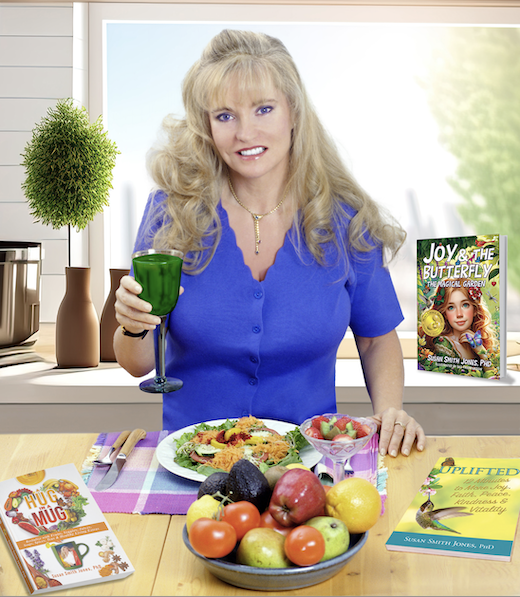 Here are some ways to make it happen:
Servings are not that big. 1/2 cup of chopped raw vegetables or fruit makes one serving. Leafy greens take up more space, so 1 cup chopped counts as a serving. 1/2 cup of dried fruit equals one serving.
Think in twos. Try to eat two servings in the morning, two in the afternoon, and two at night.
Snacks count, too. Feeling hungry between meals? Munch on a piece of fruit or grab some sliced raw vegetables to go.
When shopping, look at your cart. If you find most of your choices are the same one or two colors, swap out a few to increase the colors — and phytonutrients — in your cart.
Dine out colorfully. Start out with a cup of vegetable soup. Choose an arugula or spinach salad and see if they can add extra vegetables. Top off your meal with fresh fruit for dessert and a soothing cup of green tea.
Look local. Farmers markets, co-ops, buying clubs and community supported farms are usually great sources of fresh produce. Ask a farmer for fresh ideas on how to prepare fruits and vegetables that are new to you.
Frozen produce is okay too! It is best to eat in season, but since seasonal produce may be limited, frozen fruits and vegetables count and are nearly as nutritious as fresh.
Think green smoothie. This is an easy way to add in a cup or two of leafy green veggies such as spinach or kale along with a cup of fresh fruit.
What you eat today, you crave tomorrow. Choose wisely what you are choosing to eat day in, day out.
⭐️ ⭐️ ⭐️
More about A HUG IN A MUG
Click HERE to find out how to get a personal autographed copies of A HUG IN A MUG and scroll down for details on how to send this gift to yourself or to anyone else worldwide. Each autograph book comes with a notecard to you from yours truly and also a a beautiful ribbon bookmark.
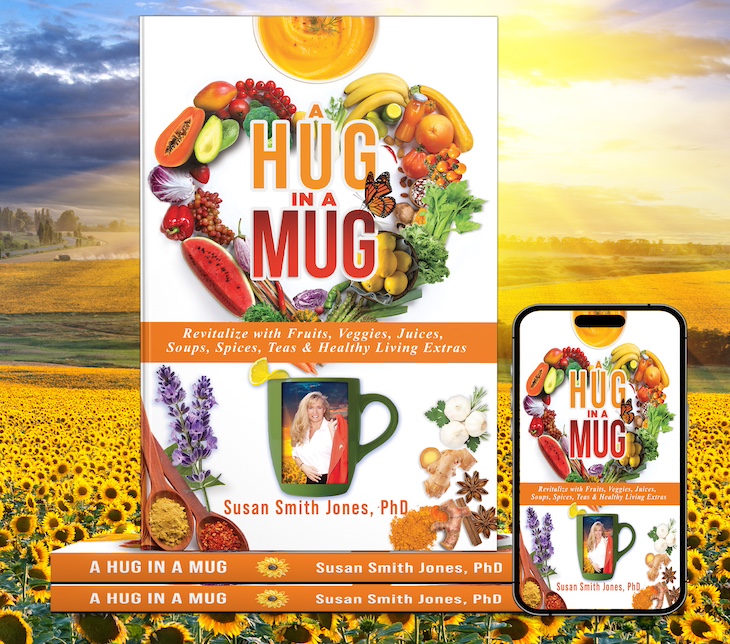 Here's an endorsement for this book:
“Susan’s wonderful and upbeat book, A HUG IN A MUG shows us how we can all choose to be vibrantly healthy, happy, balanced, successful, peaceful and heart-centered. She has taught me about all aspects of well-being, clean living and how to maintain a healthy body, mind and spirit in an everyday stressful life. Confucius once said that ‘everything has beauty, but not everyone sees it.’ In her book, Susan teaches us to see beauty and vitality in everyday living—even during stressful times—and to realize that age is just a number and we can choose to be youthful well into older age.
"If you simply want to enrich your experience of living, making your life a great adventure and celebration, then this esteemed book was written just for you. Susan even offers very humorous stories that had me laughing aloud. Not only does she provide a plethora of sound and practical health advice to help us all look and feel younger, boost energy, supercharge self-esteem, strengthen the brain, and cultivate an attitude of gratitude, but she also provides some delicious recipes that are easy and fast to get ready for busy people like me who want to eat healthfully and have limited time for meal preparation. Her green smoothie, golden milk, and chia pudding recipes are now part of my high-level wellness program. I invite you to wake up to the fullness of life, read A HUG IN A MUG and become inspired, and live a healed life.”
~ Myran Thomas, LA Esthetique Wellness