


FROM STRESS TO STRENGTH
How Humor Heals Body, Mind & Spirit
Coming in August:
An interview with me (SSJ) on This Week in America discussing all of these topics.
Laughter is not a cure-all, but it may be one of the most enjoyable tools in our wellness toolbox.
 In my books UPLIFTED, A HUG IN A MUG, WIRED FOR HIGH-LEVEL WELLNESS, and JOY & THE BUTTERFLY, I've added in lots of humor to tickle your funny bone.
People have been saying that laughter is the best medicine for generations. That is a lovely expression, but is it simply cheerful folklore, or can humor truly help us move from stress to strength? The science is encouraging. Laughter is not a replacement for good medical care — I would never suggest canceling your cardiologist and booking a comedian instead — but it can be a remarkably powerful companion to healthy living.
Humor changes the way we experience stress. When we are tense, the body braces for trouble: our breathing becomes shallow, our muscles tighten, and every small inconvenience begins auditioning for the role of Major Catastrophe. A genuine laugh interrupts that pattern. We breathe more freely, loosen physical tension, and gain a little emotional distance from whatever is upsetting us.
Humor does not necessarily change the situation; it changes the position from which we view it. I think of it as a windshield wiper for the mind. It does not stop the rain, but it helps us see the road. That clearer perspective can help us respond with creativity rather than panic, patience rather than irritation, and courage rather than helplessness. Sometimes strength begins with one deep breath - and sometimes it begins with a good belly laugh.
What Happens Inside the Body When We Laugh?
 One of the clearest areas of research involves cortisol, a hormone that rises as part of the body's stress response. A 2023 systematic review and meta-analysis examined eight intervention studies involving 315 adults. Compared with non-humorous control activities, spontaneous laughter was associated with an average cortisol reduction of about 32 percent; even a single laughter session was associated with a significant reduction. In everyday language, laughter may help tell the nervous system, 'The emergency is over. You may stop acting as though the toaster is plotting against you.'1
Researchers have also explored circulation. In a small crossover study, 17 healthy adults watched either a comedy or a serious documentary for 30 minutes. After the comedy, blood-vessel function improved, including a 17 percent increase in flow-mediated dilation and a 10 percent increase in arterial compliance. The study was small, so it is not a prescription, but it offers an intriguing clue that the cardiovascular system may prefer a good comedy to an evening of alarming headlines.2
A hearty laugh also changes our breathing, engages facial and abdominal muscles, and is often followed by a welcome period of relaxation. We might call it an internal reset button - although, thankfully, no batteries are required and there is no instruction manual written in six languages.
Humor as a Supportive Tool for Pain, Memory, Mood & Sleep
We should be both hopeful and sensible about the health claims surrounding humor. Laughter is not a cure-all, but research suggests it can be a useful supportive tool. In a randomized crossover study of healthy adults, 30 minutes of watching a comedy and genuinely laughing improved pain tolerance compared with a documentary condition. Humor may not make every ache disappear, but it can help us experience discomfort from a less fearful, less constricted state.3
 Memory may benefit, too. In a study involving older adults, participants who watched a 20-minute humorous video had lower cortisol and performed better on measures of learning and delayed recall than a control group that simply waited quietly. This is especially encouraging for anyone who has searched the entire house for car keys while holding them. Apparently, the brain appreciates a joke almost as much as it appreciates finally finding the keys.4
A 2019 meta-analysis of 10 randomized controlled trials involving 814 adults found that laughter and humor interventions produced improvements in depression and anxiety, along with a smaller improvement in sleep quality. These findings do not mean humor replaces counseling, medication, or medical treatment. They mean laughter can belong in a larger wellness toolbox beside exercise, nutritious food, prayer, restorative sleep, supportive relationships, and professional care when needed.5
When Life Is Not Funny
What about grief, illness, caregiving, loneliness, or financial stress? Is humor still appropriate, or can it seem insensitive? Healing humor never denies pain. It simply gives pain a little less room to dominate the entire house. Humor is not a blindfold; it is a life jacket. It helps us stay afloat while we face reality honestly.
Timing and kindness matter. We should never use a joke to dismiss someone's sorrow or pressure a hurting person to 'cheer up.' First, we listen. We sit beside them. We honor what hurts. Then, when humor naturally peeks around the corner, we can welcome it. Some of the most courageous laughter happens in hospital rooms, caregiving homes, and family kitchens because it says, 'This is hard, but hardship will not take every beautiful thing from us.'
The safest humor is usually shared humor or gentle humor about our own human imperfections. Laugh with people, never at them. Tears and laughter are not enemies. They often sit side by side, like two relatives at Thanksgiving who disagree about everything but still pass the mashed potatoes. We can grieve deeply and still laugh. Both are signs that the heart is alive.
Why Shared Laughter Makes Relationships Stronger
 Shared laughter is emotional glue. It lowers defenses, restores perspective, and reminds us that we are on the same team. In a 2017 brain-imaging study, social laughter triggered the release of the body's own opioid chemicals in brain regions associated with pleasure and bonding. In a related experiment, laughing together also raised pain thresholds. The research suggests that laughter does not merely entertain us; it may help connect us.6
This makes perfect sense in everyday life. A family that can laugh together can often recover more quickly from tension. A couple who can survive thermostat negotiations, assembling furniture, and the question, 'Where would you like to eat?' has already completed advanced resilience training.
Humor can soften a disagreement without avoiding the issue. It can help us say, 'I love you more than I love being right' - which, for some of us, is a spiritual achievement worthy of a parade. The key is affectionate humor, not sarcasm that wounds. Healthy humor says, 'We are wonderfully imperfect human beings, and we will figure this out together.' That sense of companionship makes burdens lighter and relationships stronger.
You Do Not Have to Be a Comedian
Some people say, 'But I am simply not funny.' The good news is that you do not need perfect timing, a microphone, or your own comedy special. A healthy sense of humor begins with noticing life's harmless absurdities and giving yourself permission to enjoy them. Like gratitude, humor becomes easier to find when we practice looking for it.
I recommend a simple daily SMILE prescription:
S - Seek: Seek one thing each day that genuinely amuses you.
M - Make room: Make room for uplifting people, funny books, favorite comedies, playful pets, and children who explain life with complete confidence and very few facts.
 I - Interrupt: Interrupt stress with a one-minute humor break. Step away from the problem long enough to breathe, smile, or remember something delightfully ridiculous.
L - Laugh lovingly: Laugh with people, never at their expense. Choose humor that lifts the room rather than leaving someone wounded in the corner.
E - End with delight: End the day by remembering the funniest or most delightful moment you experienced.
You can also create a humor first-aid kit: a folder of cartoons, amusing memories, photographs, clean jokes, or video clips that reliably lift your spirits. Schedule laughter the way you schedule other healthy habits. We faithfully make appointments for dental cleanings and oil changes; surely joy deserves ten minutes on the calendar. The goal is not to perform. The goal is to become more available to delight.
Let HUMOR Be Your Daily Compass
Humor is not simply something we enjoy when life is going well. It is a way of seeing that helps us live well when life is messy, unpredictable, and occasionally appears to have been organized by a committee that never met.
We cannot always choose what arrives on our doorstep, but we can choose what we invite to stay for dinner. We can feed resentment, rehearse every irritation, and give one rude driver rent-free lodging in our mind - or we can look for the lesson, the blessing, and, whenever possible, the punch line.
 Our outlook becomes the atmosphere in which we live. In two large, long-running groups of women and men, greater optimism was associated with an average life span 11 to 15 percent longer and a greater likelihood of living to age 85 or beyond. This does not mean optimism guarantees us 100 birthday candles - or that pessimists should begin ordering them in bulk. It suggests that hope, constructive coping, and healthier responses to stress may be meaningful parts of a longer, healthier life.7
Positivity is not pretending everything is perfect. That is not optimism; that is poor eyesight. Real optimism says, "This is difficult, but difficulty is not the whole story. I still have choices. I can ask for help. I can begin again. And someday, this may become a story I tell at dinner - after changing the names to protect the guilty."
I like to use the word HUMOR as a simple compass for living more joyfully:
H - Hold life lightly. Take your responsibilities seriously, but do not take every inconvenience personally. The washing machine did not break because the universe has singled you out, and the slow grocery line is probably not an organized plot against your afternoon.
U - Use your smile generously. A sincere smile is a small gift that says, "I see you. You matter. We are going to be all right." In one experiment, participants who held smiling expressions during stressful tasks showed lower heart rates during recovery than those with neutral expressions. A smile cannot solve every problem, but it may help the body begin loosening its grip on stress.8
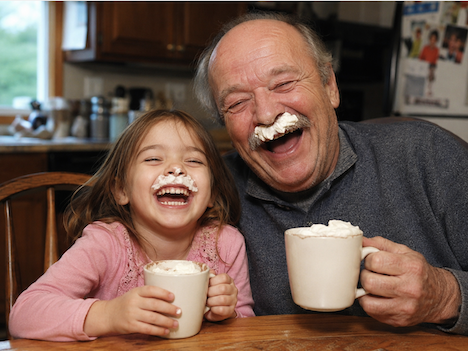 M - Make room for merriment. Joy rarely pounds on the door demanding an appointment. It slips in through music, pets, grandchildren, funny friends, and the moment you realize you have been searching for your telephone while talking on it.
O - Open your eyes to the bright side. Not because there is no dark side, but because staring at darkness all day has never helped anyone find the light switch. Notice what is still good, still possible, and still worthy of gratitude.
R - Remember that joy is a practice. We do not have to wait until we feel joyful to live joyfully. We can create small moments of delight, and those moments begin teaching the heart a happier rhythm.
Do not postpone laughter until every problem disappears. By then, you may have misplaced your glasses, your car keys, and the reason you walked into the room. Laugh now. Smile now. Call the friend who makes your spirit lighter. Collect funny memories as carefully as you collect important documents, because on a difficult day, those memories may be exactly the medicine your heart needs.
Life is too important to be taken seriously every minute. Keep your hope alive, your smile within reach, and your funny bone in excellent working order. We may not be able to add years to our lives with every laugh, but we can certainly add more life, love, and light to the years we are given.
Keep Your Funny Bone Well Exercised
 A sense of humor becomes especially valuable as the years pass because life gives us plenty of fresh material. We may walk into a room and forget why we went there, spend ten minutes looking for glasses already perched on our head, or bend down to tie a shoe and wonder what else we can accomplish while we are down there. The secret is not to be embarrassed. The secret is to turn it into a comedy routine.
Laughter is nature's facelift - free, painless, and no appointment required. It lifts the cheeks, brightens the eyes, exercises the stomach, and, unlike most beauty treatments, nobody asks for your insurance card.
More importantly, a good sense of humor helps us carry life's burdens without letting them crush our spirit. It softens disappointments, strengthens relationships, lowers tension, and reminds us not to take every wrinkle, wobble, or misplaced car key as a personal tragedy.
So, laugh at yourself kindly, laugh with the people you love, and look for something delightful every day. Growing older is inevitable, but growing gloomy is optional. Keep your faith strong, your heart young, and your funny bone well exercised. Humor may not remove every storm from the road ahead, but it can clear the windshield, lighten the journey, and remind us that joy is still traveling with us.
"Growing older is inevitable, but growing gloomy is optional."
Health note: Humor and laughter are supportive wellness practices, not substitutes for diagnosis, treatment, medication, counseling, or emergency care.
 1. Kramer, Caroline Kaercher, and Cristiane Bauermann Leitao. "Laughter as Medicine: A Systematic Review and Meta-Analysis of Interventional Studies Evaluating the Impact of Spontaneous Laughter on Cortisol Levels." PLOS ONE 18, no. 5 (2023): e0286260. https://doi.org/10.1371/journal.pone.0286260.
2. Sugawara, Jun, Takashi Tarumi, and Hirofumi Tanaka. "Effect of Mirthful Laughter on Vascular Function." American Journal of Cardiology 106, no. 6 (2010): 856-859. https://doi.org/10.1016/j.amjcard.2010.05.011.
3. Lapierre, Sara S., Brittany D. Baker, and Hirofumi Tanaka. "Effects of Mirthful Laughter on Pain Tolerance: A Randomized Controlled Investigation." Journal of Bodywork and Movement Therapies 23, no. 4 (2019): 733-738. https://doi.org/10.1016/j.jbmt.2019.04.005.
4. Bains, Gurinder S., Lee S. Berk, Noha Daher, et al. "The Effect of Humor on Short-Term Memory in Older Adults: A New Component for Whole-Person Wellness." Advances in Mind-Body Medicine 28, no. 2 (2014): 16-24.
 5. Zhao, Jing, Hui Yin, Guo Zhang, et al. "A Meta-Analysis of Randomized Controlled Trials of Laughter and Humor Interventions on Depression, Anxiety and Sleep Quality in Adults." Journal of Advanced Nursing 75, no. 11 (2019): 2435-2448. https://doi.org/10.1111/jan.14000.
6. Manninen, Sandra, Lauri Tuominen, Robin I. M. Dunbar, et al. "Social Laughter Triggers Endogenous Opioid Release in Humans." Journal of Neuroscience 37, no. 25 (2017): 6125-6131. https://doi.org/10.1523/JNEUROSCI.0688-16.2017.
7. Lee, Lewina O., Peter James, Emily S. Zevon, Eric S. Kim, Claudia Trudel-Fitzgerald, Avron Spiro III, Francine Grodstein, and Laura D. Kubzansky. "Optimism Is Associated with Exceptional Longevity in 2 Epidemiologic Cohorts of Men and Women." Proceedings of the National Academy of Sciences 116, no. 37 (2019): 18357-18362. https://doi.org/10.1073/pnas.1900712116.
8. Kraft, Tara L., and Sarah D. Pressman. "Grin and Bear It: The Influence of Manipulated Facial Expression on the Stress Response." Psychological Science 23, no. 11 (2012): 1372-1378. https://doi.org/10.1177/0956797612445312.