


The Healing Power of HOBBIES: Why Joyful Pastimes Are Essential Medicine for Body, Mind & Spirit
Lifelong Hobbies, Lifelong Health: How Pastimes Keep Us Strong in Later Years
By Susan Smith Jones, PhD
 Somewhere along the way, many of us were taught that hobbies are what we do after the “important” work is finished. First we answer every email, complete every obligation, solve everyone else’s problems and possibly reorganize the garage alphabetically. Then, if fifteen minutes remain before bedtime, we may be permitted to enjoy ourselves.
That is not a wellness plan. It is a recipe for becoming an efficient, responsible, slightly cranky person who has forgotten how to play.
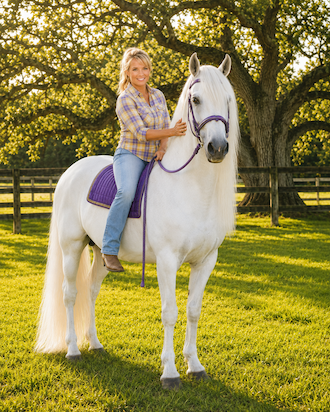
A hobby is a regular activity we choose because it delights, absorbs or renews us—gardening, reading, painting, restoring cars, dancing, solving puzzles, whittling, playing with pets, learning pickleball or countless other pursuits. In my own life, riding horses has always brought tremendous joy, freedom and connection. The moment I am with a horse, the noisy parade of daily concerns seems to leave the arena.
Hobbies remind us that we are more than our responsibilities. They give the body movement, the mind restorative focus and the spirit room to breathe. Having a hobby is not a luxury. It is an important part of living a healthy, happy and balanced life.
Your hobby may look like play, but it may be doing serious healing work.
We Were Made to Do More Than Be Productive
 Modern life loves productivity. We count steps, appointments, deadlines, passwords and unread emails. Some of us are so productive that we need a vacation from our organizational system.
Yet health cannot be measured only by how much we accomplish. It also includes how deeply we enjoy, connect, create, wonder and rest. A meaningful pastime often leaves us calmer and more energized at the same time.
Ralph Waldo Emerson wrote, “Nothing great was ever achieved without enthusiasm.”[1] Enthusiasm is life force with its sleeves rolled up. It is the spark that makes us lean forward, become curious and willingly practice something we may not master immediately. A hobby gives that spark somewhere to land.
When we become absorbed in an activity we love, we enter a refreshing mental space where the clock grows quieter. Our attention moves away from worry and toward the living moment: the next brushstroke, garden row, dance step, chord, stitch, serve, trail, chapter or gentle movement of a horse beneath us.
This does not mean hobbies erase grief, illness, loneliness or hardship. They are not substitutes for professional medical or psychological care when that care is needed. But they can become faithful companions in healing—small, repeatable ways of telling the nervous system, “For this moment, you are safe enough to create, move, learn and enjoy.”
Hobbies Heal the Mind by Giving Worry Less Room
 Worry thrives in unstructured mental space. It likes an empty stage, a spotlight and a microphone that cannot be switched off. A hobby interrupts the performance.
Focused leisure directs attention toward a manageable challenge. Crossword puzzles ask us to search for a word instead of searching our entire past for something to regret. Knitting gives the hands a pattern to follow. Woodworking asks for precision. Music invites listening. Gardening keeps us occupied with questions such as, “Does this plant need water?” rather than, “Have I made every correct decision since 1987?”
Research supports the connection between hobbies and well-being. A 2023 study in Nature Medicine analyzed longitudinal data from 93,263 adults age 65 and older across 16 countries. Having a hobby was associated with fewer depressive symptoms and higher levels of happiness, life satisfaction and self-reported health. The findings were broadly consistent across countries, suggesting that the benefits are not limited to one culture or one type of pastime.[2]
Hobbies restore several things stress often steals: choice, competence, curiosity and hope. Even a tiny accomplishment—finishing a puzzle, growing one tomato or learning three guitar chords—sends a powerful message: I can still learn, create and surprise myself.
And no, the tomato need not resemble the one on the seed packet. A misshapen tomato is still a tomato, and often has more personality.
Creative Hobbies Can Help the Body Set Down Stress
Stress is not only a thought. It is a physical experience. Shoulders tighten, breathing changes, sleep becomes elusive and the body may remain on alert long after the immediate problem has passed.
Creative hobbies can offer a gentle way to shift gears. In one study, 39 healthy adults spent 45 minutes making art with materials such as markers, paper, clay and collage supplies. Cortisol levels dropped significantly overall, and about 75 percent of participants had lower cortisol after the session. Previous artistic experience did not appear necessary for the benefit.[3]
 That last point deserves applause, especially from anyone who believes artistic talent ended with the stick figure.
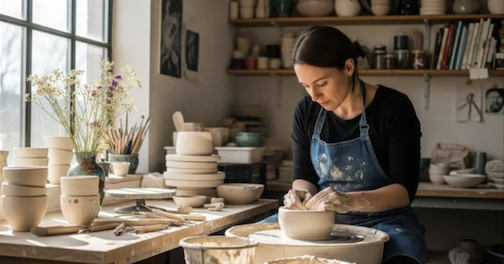
You do not have to be “good” at a hobby for it to be good for you. The healing often happens in the process, not in the product. A lopsided bowl, off-key song or painting that accidentally resembles a purple cabbage can still provide focus, amusement and relief.
Perfection turns play into another performance review. Curiosity turns it back into medicine.
Creative pursuits also give feelings a language beyond words. During loss or transition, we may not be ready to explain everything, but we can plant, sew, sing, write, carve or arrange flowers. The hands begin translating what the heart is still learning to say.
Active Hobbies Strengthen the Body Without Making Exercise Feel Like Punishment
The word “exercise” can conjure fluorescent gyms, complicated machines and someone cheerfully shouting, “Only twenty more!” while we reconsider every decision that brought us there.
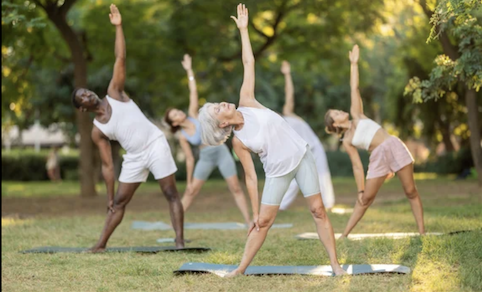
An active hobby gives movement a purpose beyond counting repetitions. We walk while birdwatching, bend and lift while gardening, improve balance while dancing, and develop coordination through tennis, pickleball, golf or horseback riding. We move more because we are having fun.
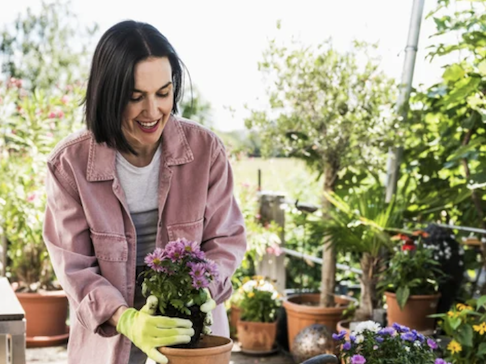
Gardening nourishes body, mind and spirit at once. A meta-analysis combining 22 studies and 76 comparisons linked gardening with reductions in depression, anxiety and body mass index, along with greater life satisfaction, quality of life and sense of community.[4] It offers fresh air, natural movement, patience and—if the rabbits cooperate—vegetables.
Social sports may offer an especially valuable combination of movement and companionship. Research from the Copenhagen City Heart Study found that participation in several sports was associated with longer life expectancy compared with a sedentary lifestyle, with tennis showing the largest association in that analysis.
 Because this was an observational study, it cannot prove that a particular sport caused the extra years. However, it raises an intriguing possibility: activities that combine exercise, play and regular social contact may be especially supportive of health.[5]
Consider tennis, pickleball, doubles badminton, walking clubs, dance classes, hiking groups, bowling leagues, golf or community tai chi. You may strengthen your heart, muscles and balance while also strengthening your supply of people who will notice when you do not show up.
Pickleball has another hidden wellness benefit: it gives adults permission to chase a plastic ball with complete seriousness. This is excellent for humility.
Hobbies Exercise the Brain
The brain enjoys novelty, challenge and practice—preferably without an exam afterward.
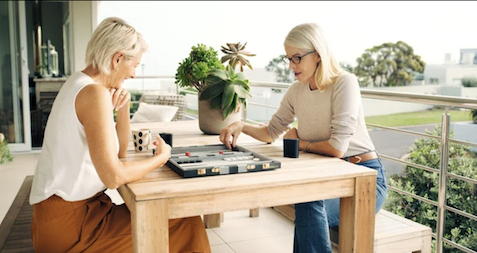
Reading expands imagination; music challenges memory, timing and coordination; puzzles call upon language and problem-solving; photography trains observation; and dancing combines memory, rhythm, balance and connection. Learning a language also prepares us to mispronounce menu items internationally.
A landmark study published in The New England Journal of Medicine followed older adults for a median of 5.1 years. Reading, playing board games, playing musical instruments and dancing were among the leisure activities associated with a reduced risk of dementia. The researchers appropriately noted that controlled trials would be needed to establish protection, but the findings added weight to the idea that mentally engaging leisure matters.[6]
The goal is not to turn every hobby into brain boot camp. Enjoyment itself is part of the benefit. Choose something interesting enough to bring you back repeatedly and challenging enough to keep you learning.
A good hobby meets you where you are, then gently invites you one step farther.
Hobbies Mend the Spirit
 Spiritual healing does not always arrive in dramatic moments. Sometimes it comes quietly while watering basil, brushing a horse, watching a bird build a nest, shaping clay, singing in a choir or walking beneath trees.
A meaningful hobby can become a form of moving meditation or prayer. It draws us away from constant mental chatter and into attention. We notice color, texture, breath, rhythm, seasons and living creatures. We remember that life is taking place now—not only after the next problem is solved.
Henry David Thoreau wrote, “To affect the quality of the day, that is the highest of arts.”[7]
A hobby does exactly that. It changes the texture of a day. It gives Tuesday a bright spot. It makes Saturday morning something to anticipate. It places small islands of joy across the calendar.
Hobbies teach patience, humility, persistence, gratitude and respect for natural timing. A seed cannot be shouted into blooming. A horse cannot be bullied into genuine trust. Dough rises when it rises, and the golf ball remains unmoved by our résumé.
We learn to begin again, laugh at mistakes and accept that growth is often slow.
A hobby also helps us reconnect with wonder. The gardener becomes excited by the first green shoot. The birdwatcher celebrates a flash of bright wings. The photographer notices light falling across an ordinary doorway. The rider feels the unspoken communication between horse and human. The musician hears a familiar melody become new again.
Wonder is spiritual nourishment. It reminds us that life is more mysterious, beautiful and generous than our daily list of problems might suggest.
Hobbies Connect Us to Other People
Solitary hobbies can be deeply restorative, but shared hobbies add belonging. A choir, book club, community garden, quilting circle, theater group, pickleball league, volunteer team or riding club gives people a reason to gather around something positive.
Adult friendship often needs structure. Children ask, “Want to play?” Adults usually require a calendar invitation, three emails and confirmation of parking.
 A shared hobby eases the pressure. Conversation grows around the activity, familiar faces become companions and companions may become dear friends.
Intergenerational hobbies are especially valuable. A grandparent may teach baking, gardening or chess; a younger person may teach photography or a new game. Skills travel in both directions, and stories travel with them.
Hobbies can also provide emotional support without making emotional support the official purpose of the gathering. People talk while walking, knitting, grooming horses, restoring a car or waiting for their turn on the tennis court. Friendship often develops more naturally when our hands are occupied and no one feels pressured to make a profound statement before refreshments.
Sometimes the most healing words are not “Let us discuss our deepest feelings.” Sometimes they are simply, “Would you like to play another game?”
Remember the Healing Power of HOBBY
To make the benefits easy to remember, think of the word HOBBY:
H — Healing for the Whole Person: A hobby can calm the nervous system, move the body, engage the mind and nourish the spirit. It creates a regular pause from responsibilities and gives us time to reconnect with ourselves.
O — Opportunity for Joy and Optimism: Pleasurable activities give us something to anticipate and remind us that delight is still available. Even during challenging seasons, a hobby can place one small, dependable light in the week.
B — Brain-Building Through Curiosity: Learning, practicing, remembering and problem-solving help keep the mind active and adaptable. A hobby encourages us to remain students of life at every age.
B — Belonging and Better Relationships: Shared interests create connection, conversation, friendship and community. Hobbies bring people together around enjoyment rather than obligation.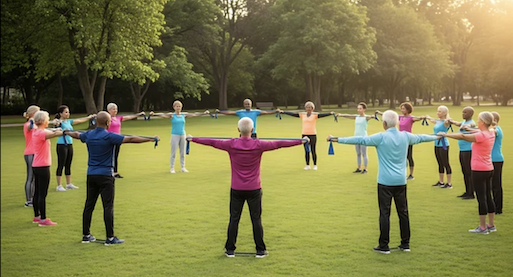
Y — Your Time to Renew: A hobby is a healthy appointment with yourself—not leftover time, but life-giving time.
That final letter may be the hardest. Many people feel guilty doing something “just for themselves.” Yet renewal is not selfish. A depleted person has less patience, creativity and generosity to offer.
When you return from a hobby calmer, happier and more alive, everyone around you benefits—unless your hobby is the tuba and you practice at 5:00 a.m.
A Hobby Menu: Ideas to Awaken Your Interest
You do not need one perfect lifelong passion. Think of hobbies as a buffet: sample something, keep what nourishes you and politely leave the accordion if it does not.
Creative and Artistic Hobbies
Drawing, watercolor painting, pottery, photography, quilting, knitting, crocheting, sewing, jewelry-making, flower arranging, woodworking, whittling, scrapbooking, calligraphy, creative writing, singing, acting or playing a musical instrument.
Nature-Based Hobbies
Gardening, birdwatching, hiking, horseback riding, nature photography, fishing, camping, stargazing, beachcombing, beekeeping, growing herbs, identifying wildflowers or volunteering at an animal sanctuary.
Mentally Stimulating Hobbies
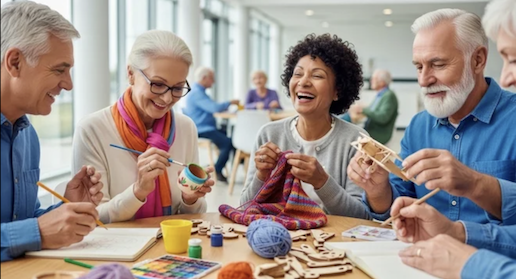 Reading, crossword puzzles, jigsaw puzzles, chess, bridge, genealogy, learning a language, taking history classes, studying astronomy, collecting antiques, attending lectures or joining a book club.
Active and Social Hobbies
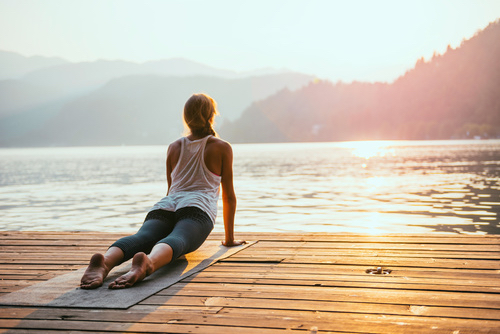
Pickleball, tennis, golf, dancing, swimming, cycling, bowling, walking groups, tai chi, yoga, hiking clubs or recreational team sports.
Restorative and Home-Centered Hobbies
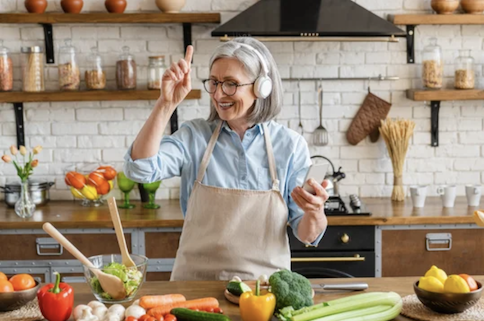
Baking, cooking, canning, breadmaking, tending houseplants, decorating, model building, restoring furniture, classic-car restoration, journaling, caring for pets or creating a family photo archive.
Purposeful and Community-Minded Hobbies
Mentoring, tutoring, volunteering at a library, hospital, church or food pantry, joining a choir, helping with community theater, participating in a service club or teaching a skill you love.
The best hobby is not necessarily the most impressive one. It is the activity you are genuinely willing to do.
Do not choose marathon running because your neighbor posts inspirational sunrise photographs if what you truly love is arranging miniature villages. Health grows through consistency, and consistency grows more easily from enjoyment than obligation.
How to Begin Without Turning Your Hobby into Another Chore
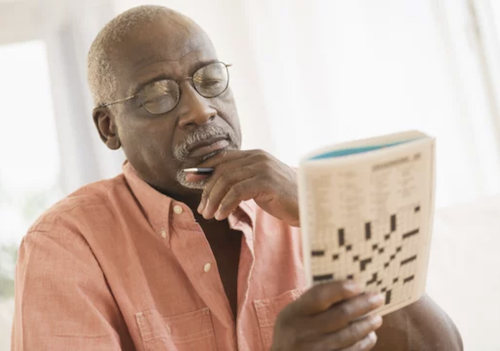 Start small. Give yourself twenty or thirty minutes once or twice a week. Borrow equipment before buying enough supplies to open a retail store. Take a beginner class, invite a friend and expect to be awkward.
Being a beginner is evidence that your life is still expanding.
Choose a hobby that fits your body, budget, schedule and season of life. An old passion may need adapting rather than abandoning. Steep hiking may become accessible nature photography, competitive sports may become coaching or swimming, and a large garden may become herbs in pots.
The form can change while the joy remains.
Schedule your hobby as you would any health-supporting appointment. Protect it from the tyranny of “I’ll do it when everything else is finished,” because everything else has formed a committee and has no intention of finishing.
Most of all, resist comparison. Your painting does not need to resemble anyone else’s. Your garden does not need to appear in a magazine. Your horse does not need to win a ribbon. Your sourdough loaf does not need its own social-media account.
Let your hobby be a sanctuary from proving yourself.
Give Yourself Permission to Play Again
In Emma, Jane Austen gives one of her characters the memorable line, “There is nothing like staying at home for real comfort.”[8]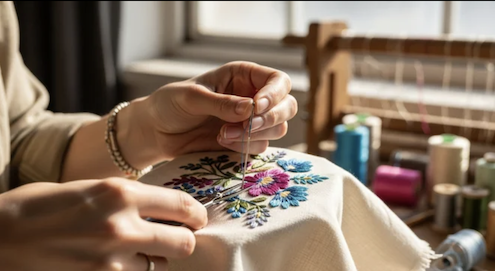 Sometimes comfort is indeed found at home with a book, a pet, a puzzle, a garden or a half-finished project waiting patiently on the table. At other times, healing calls us out the door—to a tennis court, dance floor, stable, trail, workshop, classroom or circle of new friends.
Either way, a hobby says: My life is not composed only of duties. There is still room for wonder.
You do not need more talent before beginning. You need to claim a little of the time you already have—before productivity keeps you busy until the cows come home and then asks you to answer emails from the cows.
Choose something that makes your eyes brighten. Choose something that quiets you, energizes you or connects you. Choose something you once loved or have always wondered about.
Begin badly, begin modestly, begin at seventy-five or ninety-five—but begin.
A hobby is not an escape from life. At its best, it is a return to life—to movement, creativity, friendship, laughter, presence and joy. It reminds us that healing is not always found in doing less.
Sometimes it is found in doing something we love.
Notes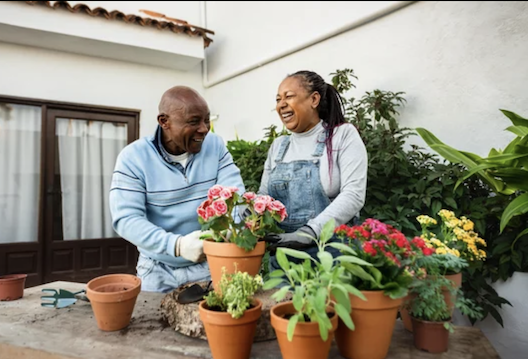 [1] Ralph Waldo Emerson, “Circles,” in Essays: First Series.
[2] Hei Wan Mak and colleagues, “Hobby Engagement and Mental Wellbeing Among People Aged 65 Years and Older in 16 Countries,” Nature Medicine 29 (2023): 2233–2240.
[3] Girija Kaimal, Kendra Ray and Juan Muniz, “Reduction of Cortisol Levels and Participants’ Responses Following Art Making,” Art Therapy 33, no. 2 (2016): 74–80.
[4] Masashi Soga, Kevin J. Gaston and Yuichi Yamaura, “Gardening Is Beneficial for Health: A Meta-Analysis,” Preventive Medicine Reports 5 (2017): 92–99.
[5] Peter Schnohr and colleagues, “Various Leisure-Time Physical Activities Associated With Widely Divergent Life Expectancies: The Copenhagen City Heart Study,” Mayo Clinic Proceedings 93, no. 12 (2018): 1775–1785.
[6] Joe Verghese and colleagues, “Leisure Activities and the Risk of Dementia in the Elderly,” The New England Journal of Medicine 348 (2003): 2508–2516.
[7] Henry David Thoreau, Walden.
[8] Jane Austen, Emma.